Clones Near Me in Tulsa
Green Country is the fertile corner of Oklahoma, more rain, more trees, more shelter than the plains, and Tulsa's cardholding growers use every bit of it. The local market sells flower on every corner and plants on none; the seedling allowance gets filled by delivery.
Buying Cannabis Clones in Tulsa
Tulsa rode the same boom and bust as OKC, its dispensary count still absurd by any non-Oklahoma standard, and landed in the same place: finished product everywhere, live plants nowhere. The city's cardholders, holding the state's generous six-and-six allowance, source genetics by delivery, and Green Country's gardening culture, older and lusher than the plains', gives them better raw material to work with than most of the state.
The Ozark-foothill character matters: Tulsa gardens under actual tree canopy, in neighborhoods with windbreaks and rainfall the western plains envy, and its growing community skews toward the region's homestead-minded DIY culture. The seedling allowance rewards the Maine strategy at prairie scale: receive several delivered cuts, bench them, flower the six best.
Growing Cannabis Clones in Tulsa
Green Country softens the plains formula. Tulsa gets more rain and more shelter than OKC, its treed neighborhoods breaking the wind that scours the western half of the state, and the growing season, April into late October, supports serious size in established plants. The eastern moisture brings the humidity conversation back, August air here is thicker than OKC's, so airflow-conscious structure returns to the checklist.
Storm season is the local drama: spring supercells and their hail are a real hazard through May and June, arguing for container mobility or covered positions early in the season. Past the storms, the long warm fall finishes the board's eight-to-ten-week cuts comfortably, and the foothill nights of late September add a color push the plains rarely see.
The short version: Cardholders get a friendlier version of the plains window, April to October, with real humidity to manage by August.
Cannabis Clones Delivered in Tulsa
Storm-season deliveries want covered drops and weather-aware timing, hail being indifferent to cardboard; summer follows the ordinary heat rules. Late-March orders capture the full season. Tulsa's residential tree cover makes shaded staging easy, and the card-first sequencing applies as everywhere in Oklahoma.
Orders ship from the nursery in up to 2 weeks, tracked door to door. Every cut ships as a fully rooted clone, 8-12" tall. The full legal picture for Tulsa lives on the Oklahoma page, statute included.
Best Cannabis Clones for Tulsa Growers
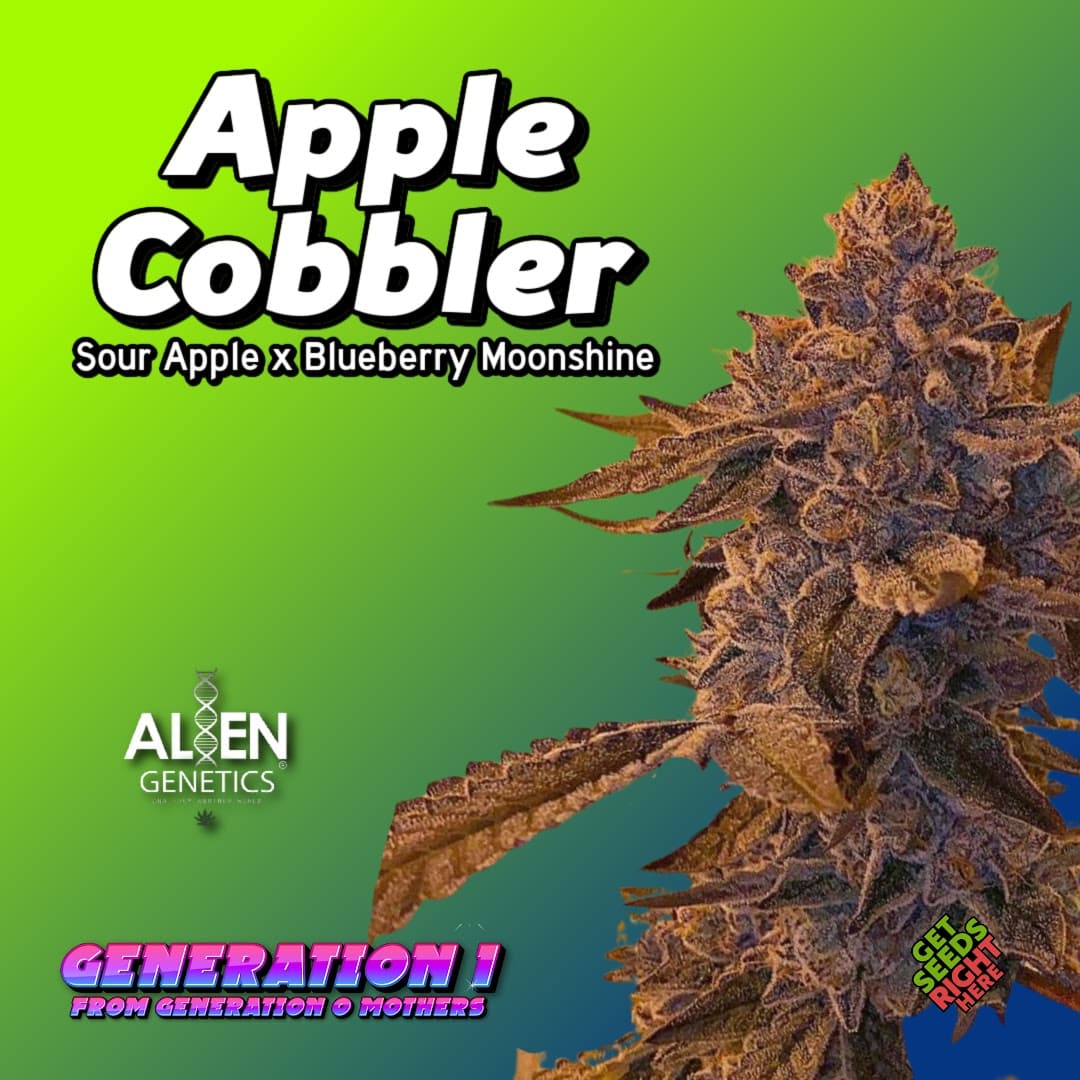
Apple Cobbler

Biker Kush

All 45 cuts, 700+ strains behind them
Clones Near Me in Nearby Cities
Clones Near Me in Tulsa: FAQ
Can I buy clones near me in Tulsa?
No Tulsa counter sells verified cuts; that is true of nearly every US city and it is an economics problem, not a Tulsa problem. Rooted 8-12" clones deliver to every Tulsa address in up to 2 weeks, tracked, from tested nursery stock.
Is growing clones legal in Tulsa?
Tulsa follows Oklahoma law: Home cultivation requires an Oklahoma medical card: 6 mature plants and 6 seedlings per cardholder. The 2023 adult-use ballot measure failed.
When should Tulsa growers order?
Cardholders get a friendlier version of the plains window, April to October, with real humidity to manage by August. Count back three weeks from your planting date: rooting and dispatch, transit, then a hardening week.
Do any Tulsa dispensaries sell clones?
Green Country is the fertile corner of Oklahoma, more rain, more trees, more shelter than the plains, and Tulsa's cardholding growers use every bit of it. The local market sells flower on every corner and plants on none; the seedling allowance gets filled by delivery.