Clones Near Me in Denver
Denver is the network's home turf and the proof of the thesis: even the city that built legal cannabis retail buys its clones by delivery, because dispensary clone counters died with the price wars a decade ago. Mile High growers add one local wrinkle, hail season, and stage their arrivals indoors.
Buying Cannabis Clones in Denver
Denver watched the clone counter rise and fall in real time. In the early rec years some shops genuinely sold cuts, and the city's growers remember it; then wholesale flower collapsed to commodity pricing, vertical integration turned dispensaries into outlets for their own grows, and live-plant retail stopped penciling. A decade later the counters are gone and the habit remains: Denver grows at home in enormous numbers, and the genetics arrive by carrier.
The home-grow culture here is basement culture, and that is not a limitation but an adaptation. Denver basements hold steady temperatures against a climate that swings forty degrees in a day, and the standard local setup, a tent or two downstairs running year-round, sidesteps every one of the Front Range's outdoor hazards. The household math is state law's 12-plant cap, and the city's growers fill it with verified cuts because replacing a mystery plant mid-cycle wastes a slot.
Growing Cannabis Clones in Denver
Outdoor Denver is a short, violent, rewarding season. Nothing goes out before Mother's Day with a straight face, the first fall frost lands in early October, and in between the garden faces mile-high UV that sunburns unhardened plants in an afternoon and hailstorms that can shred a season in ten minutes. Locals stage pots they can drag under cover, stretch shade cloth doubling as hail net, and pick cuts that finish inside nine weeks.
What the altitude takes in hazards it returns in quality. Cool September nights push color hard, the dry air keeps mold pressure near zero, and sun-grown Front Range flower finishes dense and frosted in a way humid climates cannot match. The computed picks below cap flowering at nine weeks for exactly this calendar; run one indoors instead and the whole paragraph becomes optional.
The short version: Plant after Mother's Day, harvest by early October; Front Range hail and mile-high UV make the hardening week genuinely mandatory.
Cannabis Clones Delivered in Denver
Two Denver-specific receiving rules: never let a box ride out an afternoon storm cycle on a porch during hail season, and give every arrival the full hardening week before it meets mile-high sun, because nursery-raised leaves have no idea what 5,280 feet of UV means. Transit into the metro is fast, and winter deliveries do fine as long as the box comes inside promptly.
Orders ship from the nursery in up to 2 weeks, tracked door to door. Every cut ships as a fully rooted clone, 8-12" tall. The full legal picture for Denver lives on the Colorado page, statute included.
Best Cannabis Clones for Denver Growers

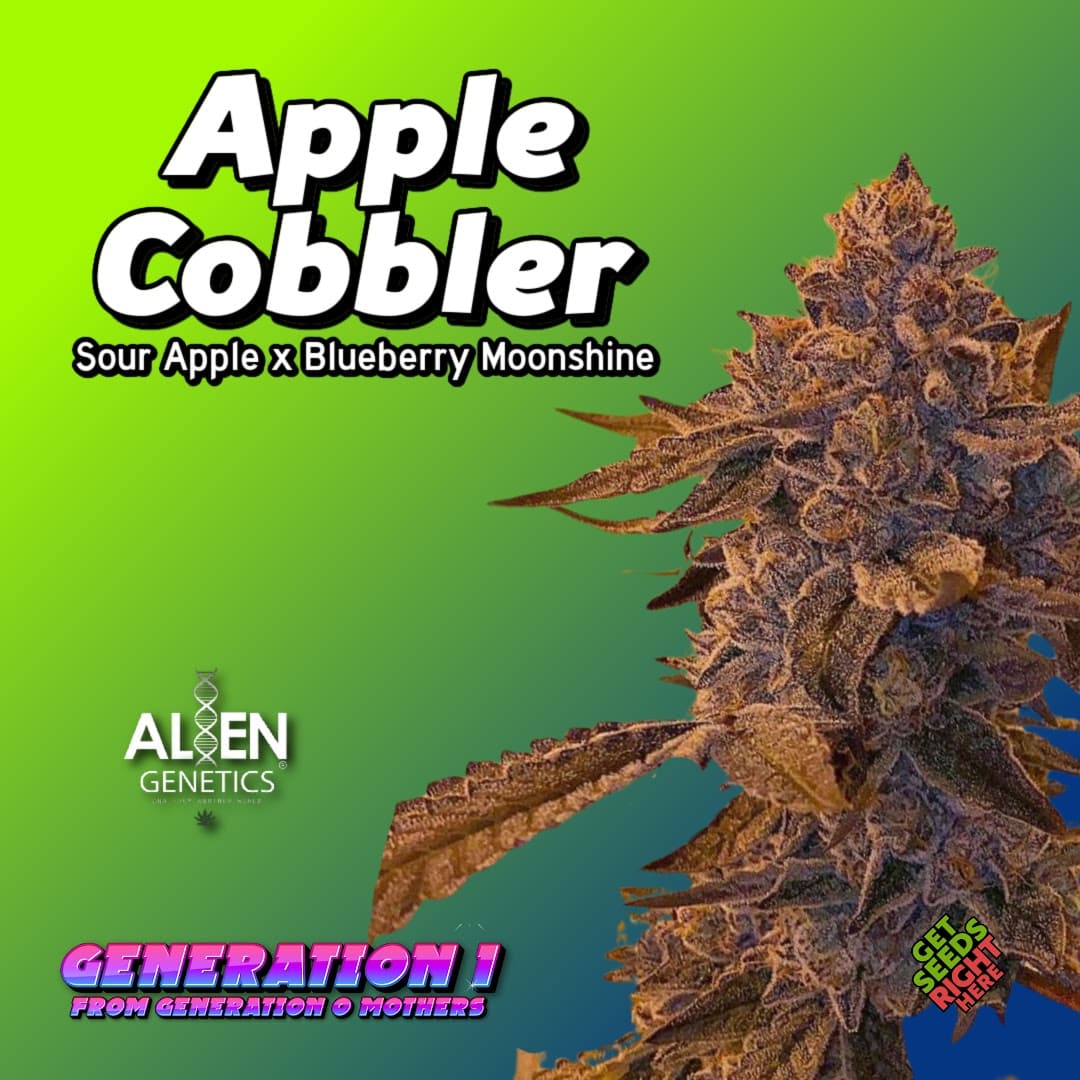
Apple Cobbler

Biker Kush

All 45 cuts, 700+ strains behind them
Clones Near Me in Nearby Cities
Clones Near Me in Denver: FAQ
Can I buy clones near me in Denver?
No Denver counter sells verified cuts; that is true of nearly every US city and it is an economics problem, not a Denver problem. Rooted 8-12" clones deliver to every Denver address in up to 2 weeks, tracked, from tested nursery stock.
Is growing clones legal in Denver?
Denver follows Colorado law: Adults 21 and over may grow 6 plants each (3 flowering), 12 per household, enclosed and locked. Some municipalities cap lower; check local code.
When should Denver growers order?
Plant after Mother's Day, harvest by early October; Front Range hail and mile-high UV make the hardening week genuinely mandatory. Count back three weeks from your planting date: rooting and dispatch, transit, then a hardening week.
Do any Denver dispensaries sell clones?
Denver is the network's home turf and the proof of the thesis: even the city that built legal cannabis retail buys its clones by delivery, because dispensary clone counters died with the price wars a decade ago. Mile High growers add one local wrinkle, hail season, and stage their arrivals indoors.