Clones Near Me in Oklahoma City
OKC lived through the wildest dispensary boom in American history and its clone counters died in the bust that followed. The cardholders who remain, six mature and six seedlings each, order in and grow against the wind, which on these plains is a genuine gardening opponent.
Buying Cannabis Clones in Oklahoma City
Oklahoma's 2018 medical law, the loosest in the nation with no qualifying-condition list, set off a dispensary gold rush that at its peak gave the state more shops than California, and Oklahoma City was its capital. Clone counters genuinely existed in that era, one of the few American markets where they did; then the bust came, thousands of licenses evaporated, and live-plant retail died with the margins. The cardholders who remain, and the card is still easy, order delivered cuts like everyone else now.
What survived the boom is a real growing culture with prairie practicality. Six mature plants and six seedlings per cardholder is generous math, the seedling allowance practically written for a delivery box, and OKC's growers, many of them boom-era veterans, know exactly what documented genetics are worth because they remember the anonymous alternative.
Growing Cannabis Clones in Oklahoma City
The southern plains give cardholders a long, hot, wind-scoured season. Frost clears in early April, returns in late October, and the six months between run genuinely hot with the prairie wind as the signature hazard: an unstaked young plant in an open OKC yard is a kite, and every local grower learns to stake from day one, plant windbreak-side, or grow in the lee of the house.
Heat management follows the Missouri playbook, established roots by May beating anything planted into July's furnace, and the dry-line air that keeps humidity below the Gulf states' misery makes mold a manageable, not dominant, concern. Fall finishing weather is excellent, and the eight-to-ten-week finishers on the board fit the window with room.
The short version: April through October for cardholders; stake everything from day one, because prairie wind treats young plants as debris.
Cannabis Clones Delivered in Oklahoma City
Cardholders receive on normal schedules; summer boxes want shade and same-day unboxing on 100-degree days, and spring's famous storm cells argue for a covered drop during severe-weather weeks. Late-March orders open the full season. The card, as with Missouri, should exist before the order does.
Orders ship from the nursery in up to 2 weeks, tracked door to door. Every cut ships as a fully rooted clone, 8-12" tall. The full legal picture for Oklahoma City lives on the Oklahoma page, statute included.
Best Cannabis Clones for Oklahoma City Growers
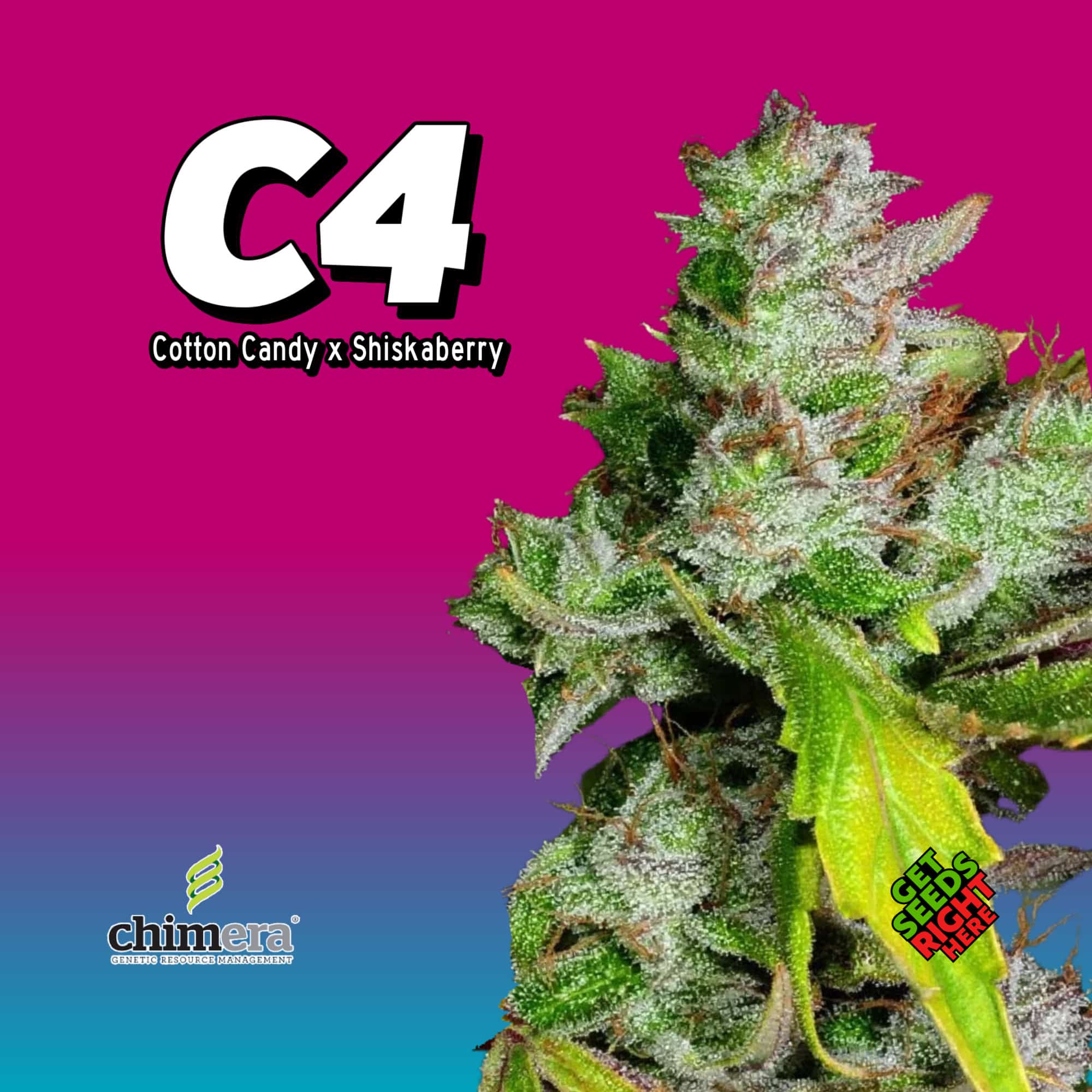
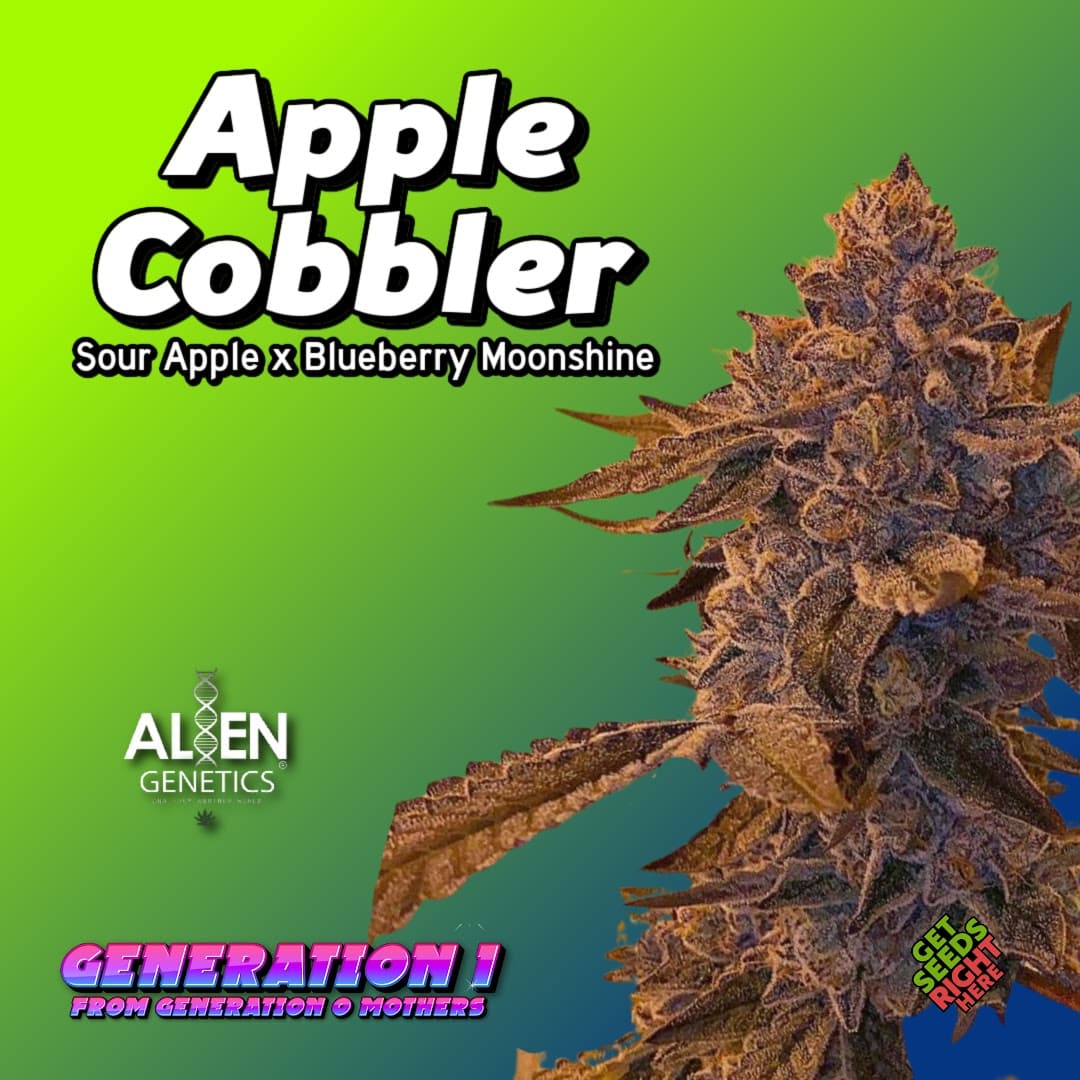
Apple Cobbler

Biker Kush

All 45 cuts, 700+ strains behind them
Clones Near Me in Nearby Cities
Clones Near Me in Oklahoma City: FAQ
Can I buy clones near me in Oklahoma City?
No Oklahoma City counter sells verified cuts; that is true of nearly every US city and it is an economics problem, not a Oklahoma City problem. Rooted 8-12" clones deliver to every Oklahoma City address in up to 2 weeks, tracked, from tested nursery stock.
Is growing clones legal in Oklahoma City?
Oklahoma City follows Oklahoma law: Home cultivation requires an Oklahoma medical card: 6 mature plants and 6 seedlings per cardholder. The 2023 adult-use ballot measure failed.
When should Oklahoma City growers order?
April through October for cardholders; stake everything from day one, because prairie wind treats young plants as debris. Count back three weeks from your planting date: rooting and dispatch, transit, then a hardening week.
Do any Oklahoma City dispensaries sell clones?
OKC lived through the wildest dispensary boom in American history and its clone counters died in the bust that followed. The cardholders who remain, six mature and six seedlings each, order in and grow against the wind, which on these plains is a genuine gardening opponent.