Clones Near Me in Los Angeles
LA has more licensed cannabis retail than any city on earth and almost none of it sells a rooted plant; the counters that try keep quitting because live inventory dies faster than budtenders can water it. The biggest cannabis market in the world still gets its verified genetics delivered.
Buying Cannabis Clones in Los Angeles
Los Angeles is where the clone-counter experiment has been run the most times with the same result. Storefronts from Studio City to Long Beach have tried racks of cuts over the years; they last a few seasons, the plants age badly under retail lighting, and the shelf goes back to flower and vapes. What survives is informal: grower circles trading cuts at meetups, and a lot of unverified genetics moving through social media with names nobody can prove.
That informal supply is exactly what a serious LA grower eventually leaves behind. An unnamed cut from a stranger's tent can carry hop latent viroid into a garden that took years to build, and this city's grow culture is old enough that most people have either lived that mistake or watched a friend live it. The move to documented, tested, delivered stock is not paranoia here; it is scar tissue.
Growing Cannabis Clones in Los Angeles
Growing in LA splits into three cities wearing one name. The coastal strip from Santa Monica through the South Bay grows in a marine layer that keeps summers mild and humid mornings routine, kind conditions that let almost any cut finish. The basin proper is warmer and drier, classic backyard country. The San Fernando Valley is the third city: Van Nuys and Woodland Hills bake past 100 degrees for weeks, and a clone planted there in July without shade cloth is a casualty, not a plant.
The calendar barely gatekeeps any of it. Valley growers do best establishing plants in March and April before the heat arrives, coastal growers can start as late as June, and light-dep or autoflower tricks aside, everything planted by early May finishes comfortably before the mild SoCal autumn. Apartment growers, who are half this city, run tents year-round and treat the outdoor question as academic.
The short version: Coastal LA plants nearly year-round; inland valleys run hot enough in August that spring and fall starts outperform summer ones.
Cannabis Clones Delivered in Los Angeles
Deliveries land easily across the metro; the one LA-specific habit worth building is routing summer boxes away from full-sun porches in the Valley, where an afternoon doorstep can cook a plant as thoroughly as a Phoenix one. Ground-floor apartment lobbies, shaded side gates, or a neighbor who is home all work. Boxes clear the last leg through the LA hubs quickly, so tracking usually gives you a tight arrival window.
Orders ship from the nursery in up to 2 weeks, tracked door to door. Every cut ships as a fully rooted clone, 8-12" tall. The full legal picture for Los Angeles lives on the California page, statute included.
Best Cannabis Clones for Los Angeles Growers
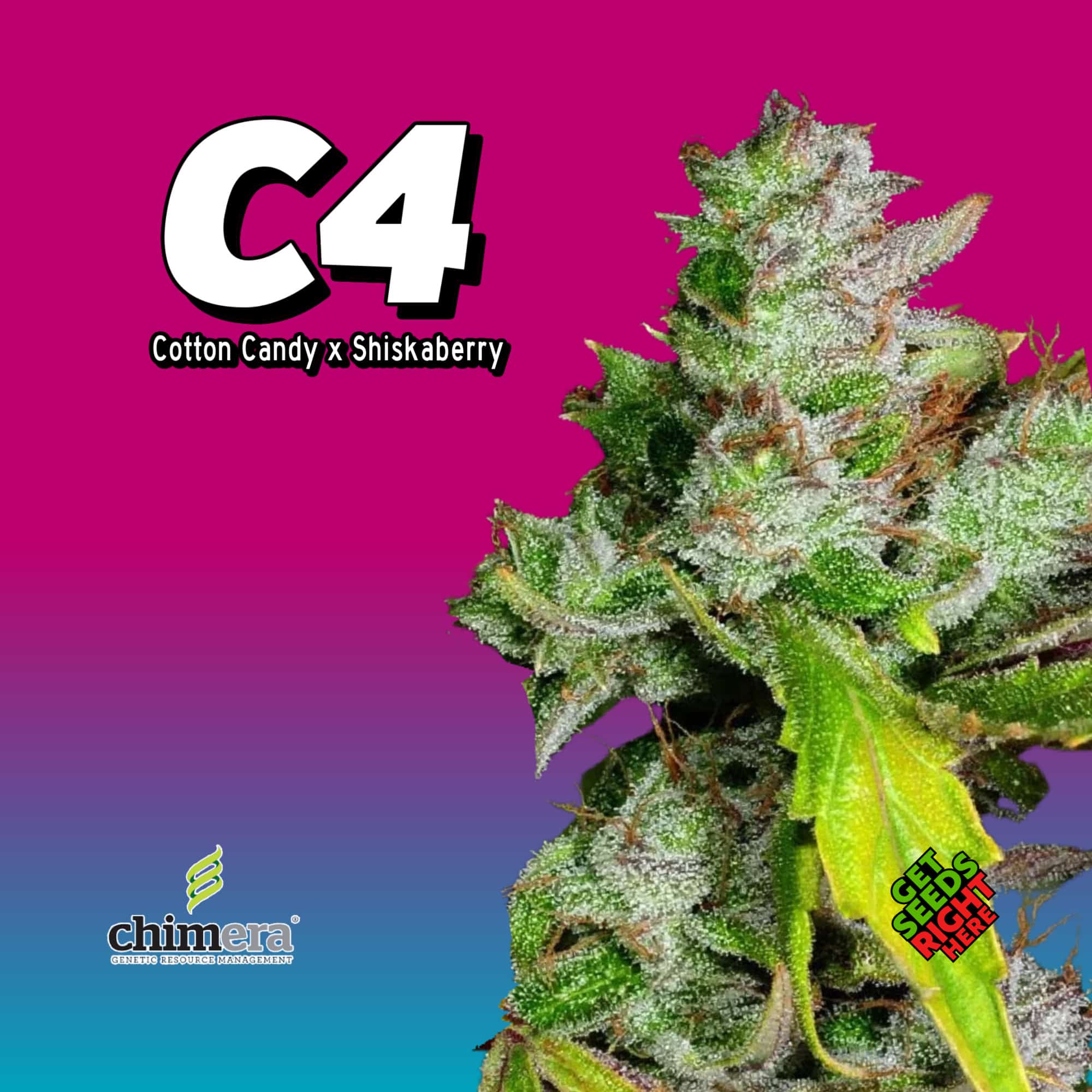
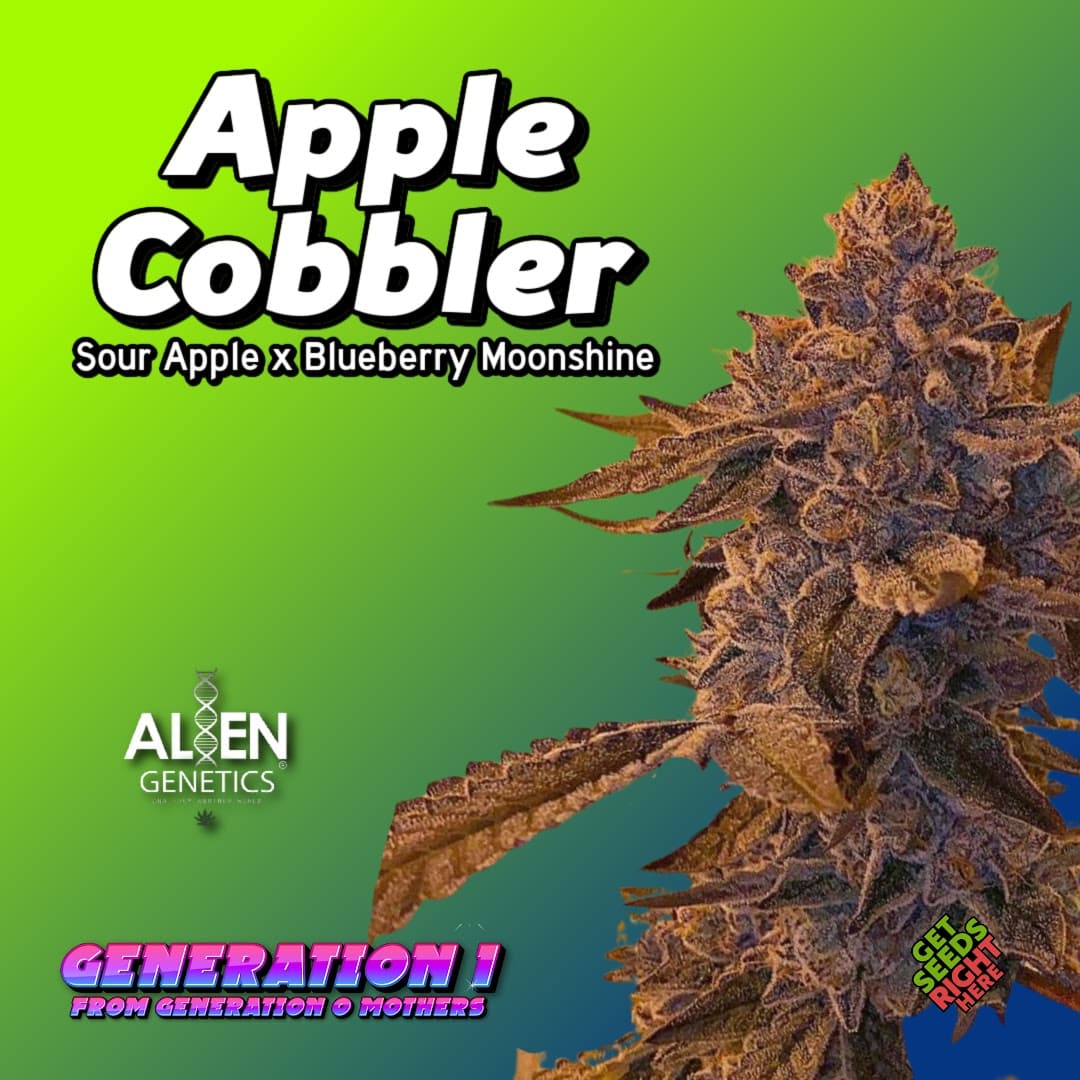
Apple Cobbler

Biker Kush

All 45 cuts, 700+ strains behind them
Clones Near Me in Nearby Cities
Clones Near Me in Los Angeles: FAQ
Can I buy clones near me in Los Angeles?
No Los Angeles counter sells verified cuts; that is true of nearly every US city and it is an economics problem, not a Los Angeles problem. Rooted 8-12" clones deliver to every Los Angeles address in up to 2 weeks, tracked, from tested nursery stock.
Is growing clones legal in Los Angeles?
Los Angeles follows California law: Adults 21 and over may grow 6 plants per private residence in a locked space out of public view. The cap is per residence, not per adult.
When should Los Angeles growers order?
Coastal LA plants nearly year-round; inland valleys run hot enough in August that spring and fall starts outperform summer ones. Count back three weeks from your planting date: rooting and dispatch, transit, then a hardening week.
Do any Los Angeles dispensaries sell clones?
LA has more licensed cannabis retail than any city on earth and almost none of it sells a rooted plant; the counters that try keep quitting because live inventory dies faster than budtenders can water it. The biggest cannabis market in the world still gets its verified genetics delivered.