Clones Near Me in St. Louis
St. Louis river-bottom humidity is the local growing test, thick air from June to September that punishes tight-cola genetics. Card-holding growers here pick cuts for structure first, and they pick them from delivered catalogs because Missouri dispensaries do not sell plants.
Buying Cannabis Clones in St. Louis
St. Louis took to Amendment 3 with the enthusiasm of a city that had waited a long time, and its cultivation-card holders now garden across every neighborhood from Tower Grove to the county suburbs. The supply chain is Missouri-standard: cards from the state, finished product from the dispensaries, and live genetics from nobody local at all. The city's garden culture, old and serious in a metro famous for its botanical garden, absorbed cannabis without ceremony.
What distinguishes St. Louis growers is humidity literacy. Between the Mississippi and the Missouri, summer air here is some of the thickest in legal America, and the local conversation about genetics starts with structure and airflow before it ever reaches potency. A delivered catalog with documented flowering data and honest structure notes fits how this city already thinks.
Growing Cannabis Clones in St. Louis
The season is long and the air is heavy. Frost clears in early-to-mid April and holds off until late October, a generous window by any standard, but June through September runs at humidity levels that turn dense, tight colas into rot experiments. The successful St. Louis garden is pruned open, spaced wide, and planted in cuts whose structure vents; the failed one is usually a beautiful heavy indica that never saw October.
Heat management is the second discipline: July and August afternoons approach triple digits with the humidity riding along, so established roots by mid-May matter, mulch matters, and afternoon shade for container plants is a mercy. The reward for managing both is a six-month season that finishes almost anything on this board with room to spare.
The short version: Long and muggy: mid-April to late October, with airflow and spacing worth more than any nutrient schedule.
Cannabis Clones Delivered in St. Louis
Summer deliveries follow the heat rule, morning arrival or a shaded drop, and the city's brick housing stock offers plenty of cool gangways and covered porches for staging. Order in late March for the full-season play. Winter arrivals are rare business here but want the usual prompt retrieval when they happen.
Orders ship from the nursery in up to 2 weeks, tracked door to door. Every cut ships as a fully rooted clone, 8-12" tall. The full legal picture for St. Louis lives on the Missouri page, statute included.
Best Cannabis Clones for St. Louis Growers
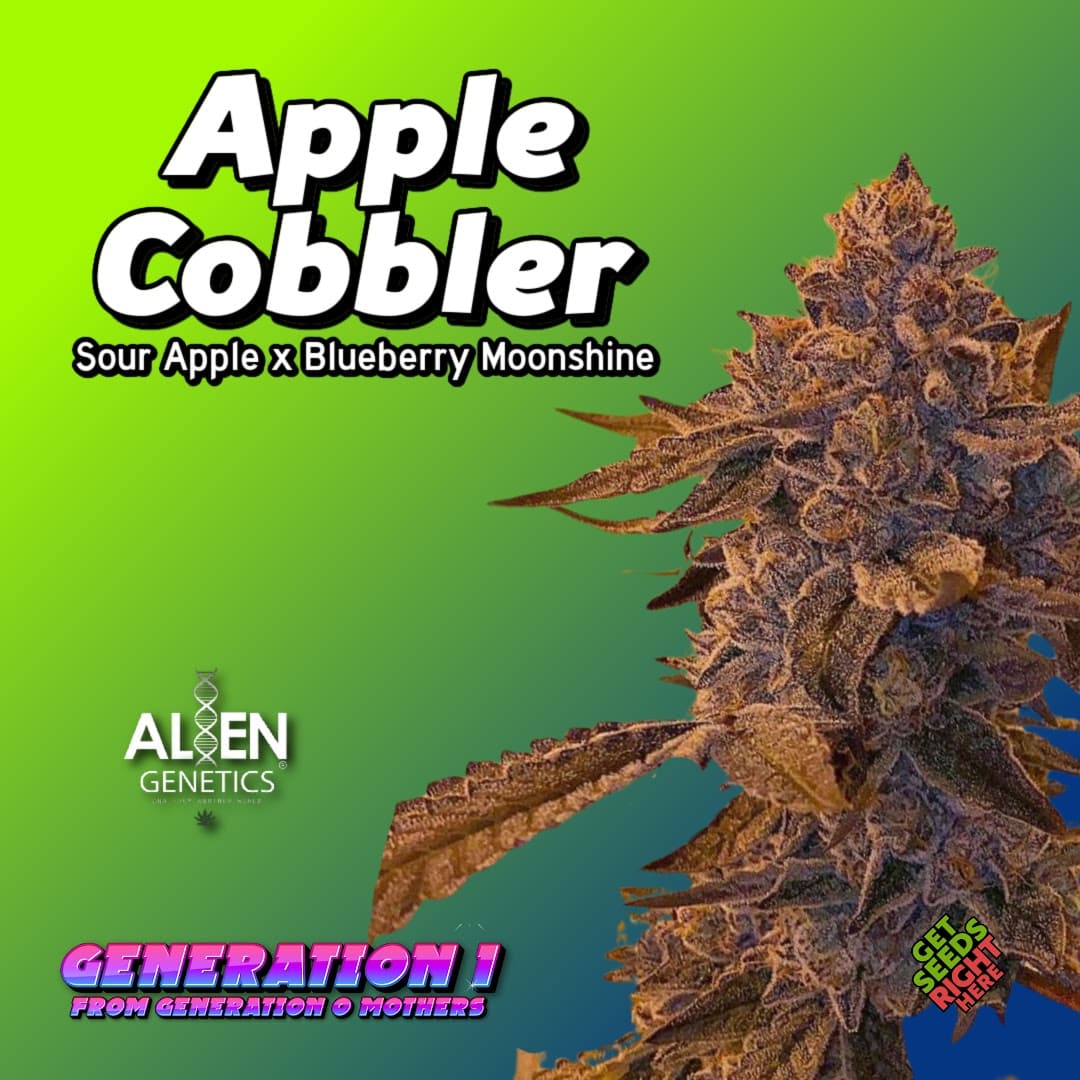
Apple Cobbler

Biker Kush

All 45 cuts, 700+ strains behind them
Clones Near Me in Nearby Cities
Clones Near Me in St. Louis: FAQ
Can I buy clones near me in St. Louis?
No St. Louis counter sells verified cuts; that is true of nearly every US city and it is an economics problem, not a St. Louis problem. Rooted 8-12" clones deliver to every St. Louis address in up to 2 weeks, tracked, from tested nursery stock.
Is growing clones legal in St. Louis?
St. Louis follows Missouri law: Adults 21 and over may grow 6 flowering plants after obtaining Missouri's personal cultivation registration card. Card first, box second.
When should St. Louis growers order?
Long and muggy: mid-April to late October, with airflow and spacing worth more than any nutrient schedule. Count back three weeks from your planting date: rooting and dispatch, transit, then a hardening week.
Do any St. Louis dispensaries sell clones?
St. Louis river-bottom humidity is the local growing test, thick air from June to September that punishes tight-cola genetics. Card-holding growers here pick cuts for structure first, and they pick them from delivered catalogs because Missouri dispensaries do not sell plants.