Clones Near Me in Kansas City
Kansas City straddles a state line that matters enormously: the Missouri side grows with a card, the Kansas side cannot grow at all. The metro's clone supply ships to the east bank of the state line, and every KC grower learns that geography lesson before their first order.
Buying Cannabis Clones in Kansas City
No American metro makes state law more visible than Kansas City, where State Line Road literally separates legal home cultivation from total prohibition. On the Missouri side, Amendment 3 plus a cultivation registration card unlocks six flowering plants; on the Kansas side, there is no medical program, no decriminalization, nothing. Same neighborhoods, same weather, opposite legal universes, and every mixed-state family in the metro knows exactly which side of the road the tent lives on.
Missouri-side supply follows the state pattern: dispensaries sell finished product, cards are straightforward to obtain, and the genetics arrive by delivery. The metro's growers skew practical, midwestern and card-compliant, with the registration handled before the box is ordered, because Missouri wrote the paperwork-first expectation into the rules.
Growing Cannabis Clones in Kansas City
The growing itself is generous prairie-edge Midwest. Frost clears in mid-April most years, the first fall freeze holds off until late October, and the six-month window between them runs hot, humid and productive. KC summers hit hard in July, pushing established plants to serious size while punishing late transplants, which is why the local wisdom front-loads the season: order in March, plant in April, let roots own the ground before the heat does.
Humidity and wind split the hazard budget. August air is thick enough to demand airflow-conscious training, and prairie wind gusts argue for staking and sheltered corners, especially for top-heavy September colas. Cuts finishing by early October dodge the fall rains; the longer finishers this climate can technically carry are a choice for growers who like watching forecasts.
The short version: Mid-April starts work most years; hot humid summers reward early establishment and airflow-friendly training.
Cannabis Clones Delivered in Kansas City
Receiving is ordinary Midwest logistics with one metro-specific footnote: confirm the shipping address is on the Missouri side, a real consideration in a metro where suburbs interleave across the line. Summer boxes want morning arrival or shade, winter boxes want prompt retrieval, and the registration card should predate the order, not chase it.
Orders ship from the nursery in up to 2 weeks, tracked door to door. Every cut ships as a fully rooted clone, 8-12" tall. The full legal picture for Kansas City lives on the Missouri page, statute included.
Best Cannabis Clones for Kansas City Growers
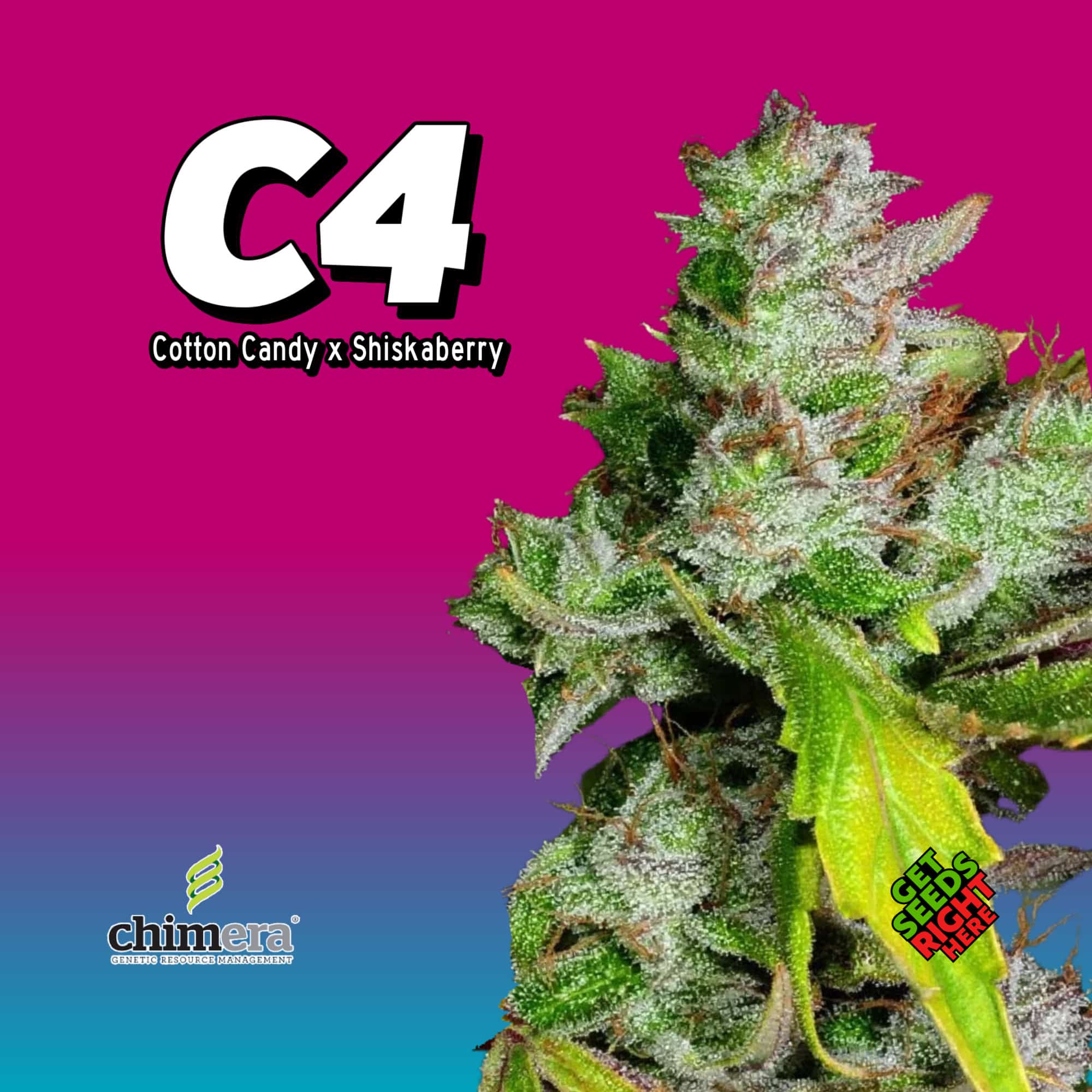
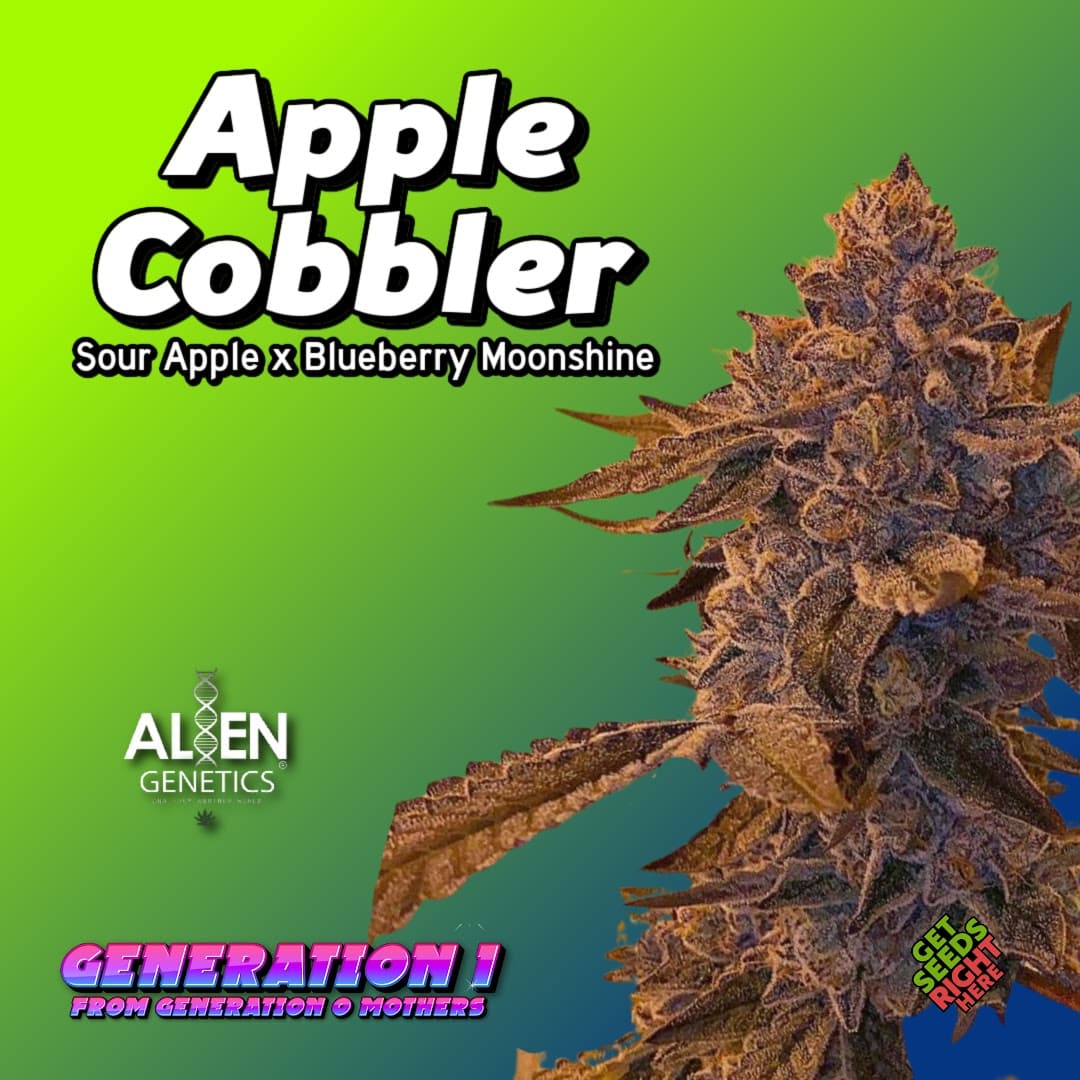
Apple Cobbler

Biker Kush

All 45 cuts, 700+ strains behind them
Clones Near Me in Nearby Cities
Clones Near Me in Kansas City: FAQ
Can I buy clones near me in Kansas City?
No Kansas City counter sells verified cuts; that is true of nearly every US city and it is an economics problem, not a Kansas City problem. Rooted 8-12" clones deliver to every Kansas City address in up to 2 weeks, tracked, from tested nursery stock.
Is growing clones legal in Kansas City?
Kansas City follows Missouri law: Adults 21 and over may grow 6 flowering plants after obtaining Missouri's personal cultivation registration card. Card first, box second.
When should Kansas City growers order?
Mid-April starts work most years; hot humid summers reward early establishment and airflow-friendly training. Count back three weeks from your planting date: rooting and dispatch, transit, then a hardening week.
Do any Kansas City dispensaries sell clones?
Kansas City straddles a state line that matters enormously: the Missouri side grows with a card, the Kansas side cannot grow at all. The metro's clone supply ships to the east bank of the state line, and every KC grower learns that geography lesson before their first order.