Clones Near Me in Portland
Portland is surrounded by more cannabis genetics than any city in America and its household cap is a modest four plants, which turns every choice into curation. Spring plant sales exist here, the rare true local option, selling whatever grew nearby; the specific documented cut still ships in.
Buying Cannabis Clones in Portland
Portland is the exception that proves this site's rule, honestly noted: Oregon's licensing actually permits some retail sale of immature plants, and spring brings genuine plant sales where starts change hands legally, a thing almost nowhere else on this site can say. What those sales offer is whatever local growers propagated that season, charming, anonymous, and untested; what they cannot offer is the specific documented cut with named lineage and a viroid-tested mother, which still arrives, even here, by delivery.
The four-plant household cap makes that distinction matter. Portland growers are the most genetics-literate on this site, surrounded by Oregon's deep breeding culture, and four slots concentrates all that literacy into curation: the specific Gelato cross, the exact heritage cut, chosen from documentation rather than from whatever the farmers-market table had left by noon.
Growing Cannabis Clones in Portland
Willamette Valley growing is a race run in beautiful conditions. The gray, wet spring holds planting to mid-May, the summer that follows is bright, warm and dry, some of the continent's most pleasant growing weather, and the October rain returns with the same punctuality as Seattle's, ending the season for anything still standing. Nine-week finishers planted promptly harvest in the dry, golden September that makes Oregon autumns famous.
The valley's grow craft is generational: composting, soil-building, sun-mapping the yard, all standard Portland gardening applied to four legal plants. Rot-resistant structure earns its keep in the marginal weeks, southern exposure is prized on the city's tree-shaded lots, and the indoor tents that carry the wet months are as common as bicycles.
The short version: Plant mid-May after the gray breaks; the race is to finish before the rains return in October, so favor nine-week cuts.
Cannabis Clones Delivered in Portland
Receiving is mild-climate easy nearly year-round, with the wet season's chill arguing for same-day retrieval and little else to plan around. Mid-April orders meet the valley's mid-May planting with hardening time to spare. Porch culture is trusting by big-city standards, but the usual attention applies in the dense inner neighborhoods.
Orders ship from the nursery in up to 2 weeks, tracked door to door. Every cut ships as a fully rooted clone, 8-12" tall. The full legal picture for Portland lives on the Oregon page, statute included.
Best Cannabis Clones for Portland Growers
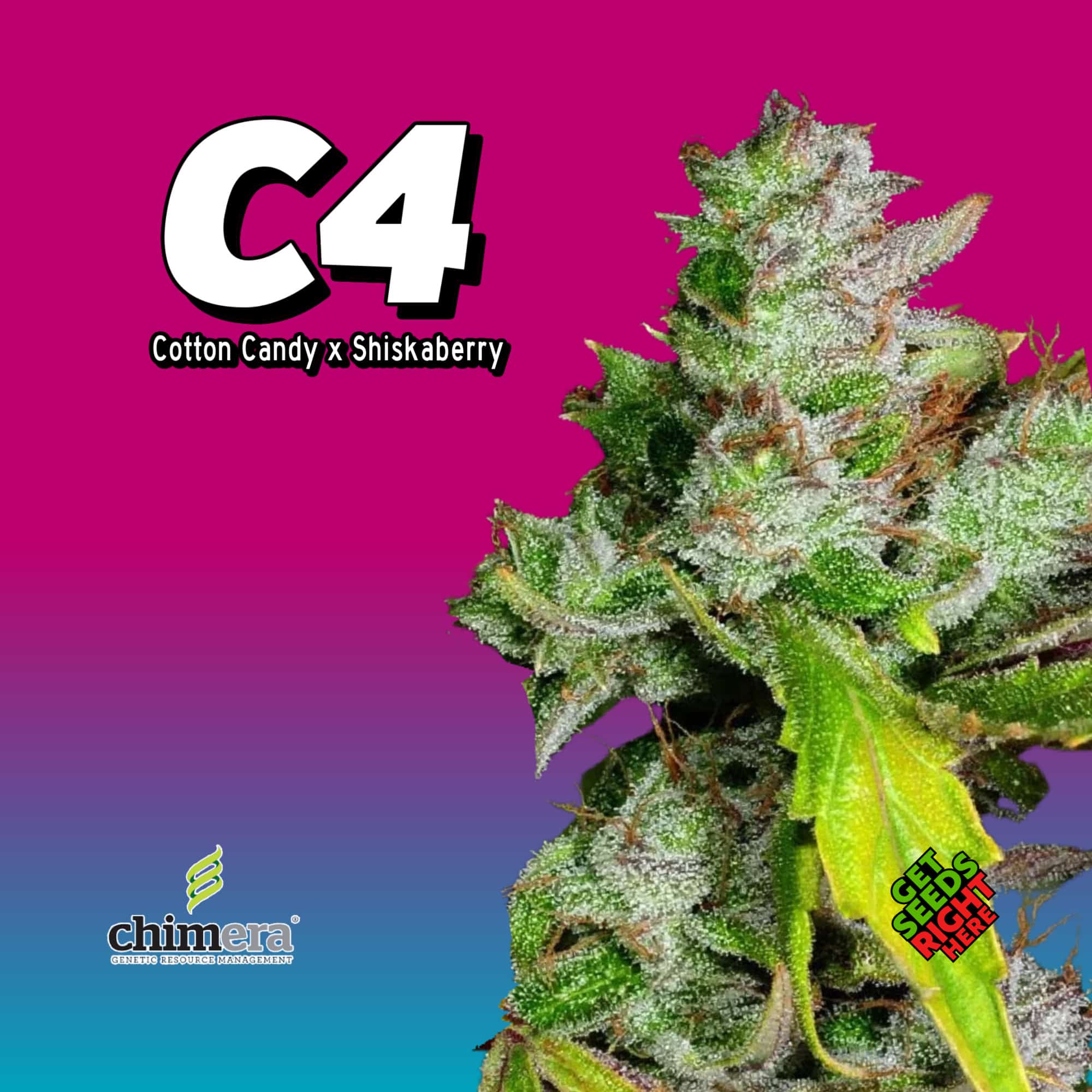

Apple Cobbler

Biker Kush

All 45 cuts, 700+ strains behind them
Clones Near Me in Nearby Cities
Clones Near Me in Portland: FAQ
Can I buy clones near me in Portland?
No Portland counter sells verified cuts; that is true of nearly every US city and it is an economics problem, not a Portland problem. Rooted 8-12" clones deliver to every Portland address in up to 2 weeks, tracked, from tested nursery stock.
Is growing clones legal in Portland?
Portland follows Oregon law: Adults 21 and over may grow 4 plants per household, out of public view. Per household, not per adult.
When should Portland growers order?
Plant mid-May after the gray breaks; the race is to finish before the rains return in October, so favor nine-week cuts. Count back three weeks from your planting date: rooting and dispatch, transit, then a hardening week.
Do any Portland dispensaries sell clones?
Portland is surrounded by more cannabis genetics than any city in America and its household cap is a modest four plants, which turns every choice into curation. Spring plant sales exist here, the rare true local option, selling whatever grew nearby; the specific documented cut still ships in.